

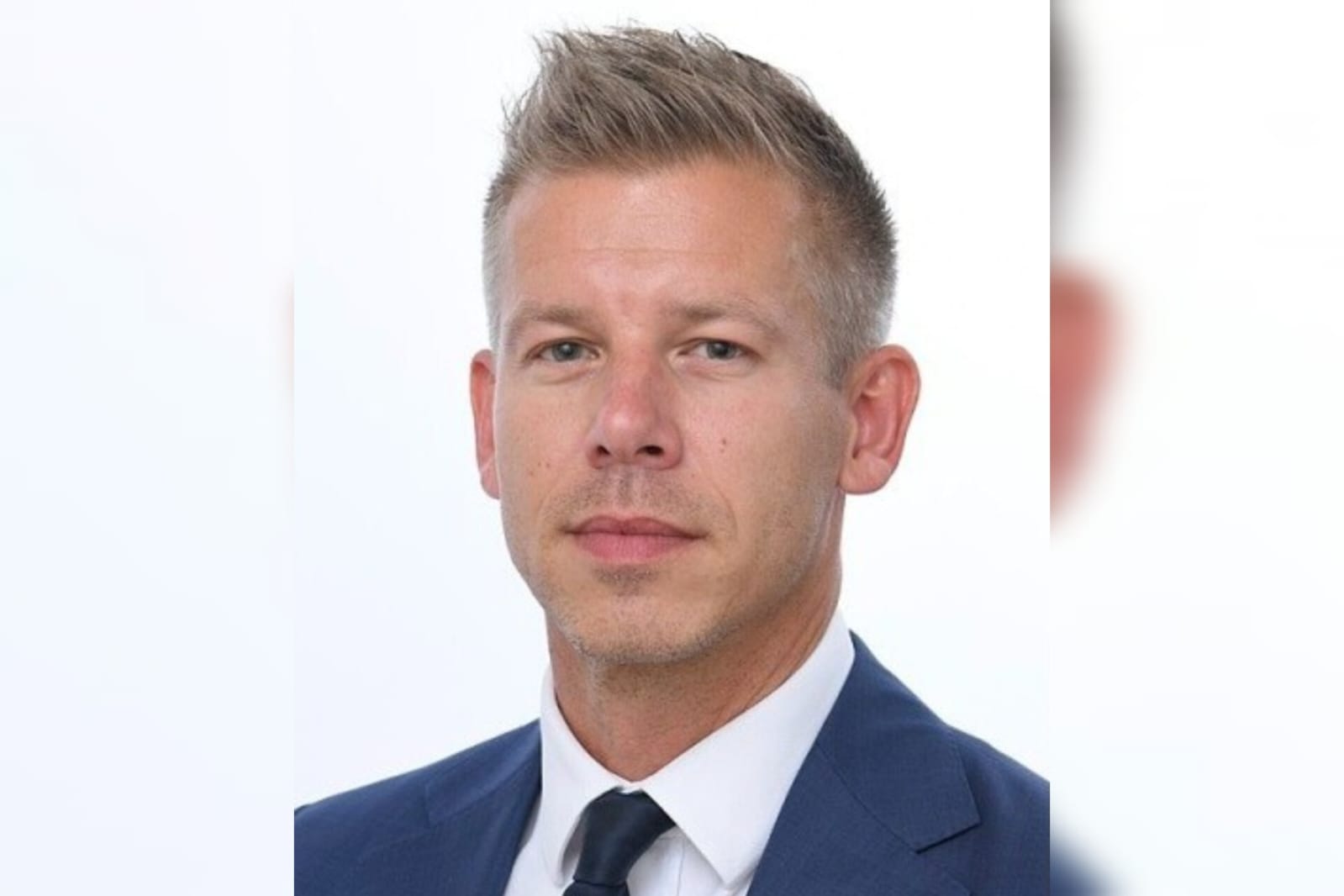
Péter Magyar, Hungary’s newly elected leader, is focused on building a strong alliance with Polish Prime Minister Donald Tusk in order to leverage Poland’s experience in mending relations with the European Union following a period of illiberal governance. The political landscapes of Hungary and Poland have followed similar trajectories since 1989, and now both centre-right, pro-European leaders face the critical task of restoring democratic norms and strengthening state institutions after years of tension with the EU.
On the night of the election, Tusk, who was abroad in Korea, expressed his joy in a call to Magyar, saying, “I’m so happy. I think I am even happier than you, you know?” The following morning, Tusk highlighted the broader change in Eastern Europe, stating, “First Warsaw, then Bucharest, Chișinău, and now Budapest. This part of Europe is showing that we are not condemned to corrupt and authoritarian rule.” Magyar echoed these sentiments, emphasizing a “special relationship” with Poland and announcing plans to visit Warsaw for his first official trip abroad.
In a move that underscores his commitment to reform, Magyar announced intentions to extradite two former Polish ministers currently in Budapest to face charges of power abuse in Poland, signaling a break from the previous government’s protectionist policies. As Magyar prepares to assume office, the European Union anticipates Hungary’s cooperation in lifting its blockade on a €90 billion loan to Ukraine and agreeing to new sanctions against Russia, marking a shift in Hungary’s political alignment.
Informal discussions between EU officials and Hungary’s incoming government have already commenced, focusing on Hungary meeting conditions regarding its institutions, judiciary, corruption checks, asylum laws, and academic freedoms. Poland’s recent success in reversing illiberal policies and unlocking EU funds could serve as a model for Hungary. The talks, initiated months before the election, aim to preserve what can be salvaged from the previous administration’s policies, with a deadline looming for Hungary to achieve its “super milestones” by the end of August to access crucial EU funds.
Despite the challenges, Magyar’s substantial parliamentary majority should facilitate reforms more smoothly than in Poland, where political opposition posed significant hurdles. However, some systemic issues from the Orbán era may persist, as reforming institutions and replacing personnel entrenched in the previous system is a complex process. Magyar’s commitment to joining the European public prosecutor’s office and investigating corruption from Orbán’s tenure is a significant step towards change, as he seeks to break from the past and align Hungary more closely with European democratic standards.