

Recent scrutiny of Alzheimer’s treatments has emerged following a Cochrane review, which questions the effectiveness of widely anticipated amyloid-targeting drugs. The review, conducted by a prominent authority on medical evidence, suggests these drugs provide only minimal clinical benefits while posing significant financial burdens and risks of severe side effects. In light of these findings, Czech company H2 Global Group has proposed an alternative treatment approach using molecular hydrogen to the governments of all 27 European Union member states.
The Cochrane review, published on April 16, 2026, analyzed 17 clinical trials with over 20,000 participants, focusing on anti-amyloid monoclonal antibodies for patients with mild cognitive impairment and early dementia due to Alzheimer’s disease. The authors concluded that the drugs’ effects are “trivial” and not clinically meaningful, with increased occurrences of brain swelling and microhemorrhages noted. Lead author Francesco Nonino from the IRCCS Institute of Neurological Sciences in Bologna emphasized the need for Alzheimer’s research to explore alternative mechanisms beyond the amyloid pathway.
Global media outlets and experts have reacted strongly to these findings. The Guardian described the drugs’ effects as “trivial,” while The New York Times highlighted the ongoing debate over their clinical value. The BBC reported that patients are unlikely to benefit significantly, and Scientific American echoed the sentiment of an “absent or trivial” clinical difference. Prominent voices in the scientific community, including Professor Robert Howard and Professor Paresh Malhotra, have called for a reevaluation of research priorities beyond the amyloid hypothesis.
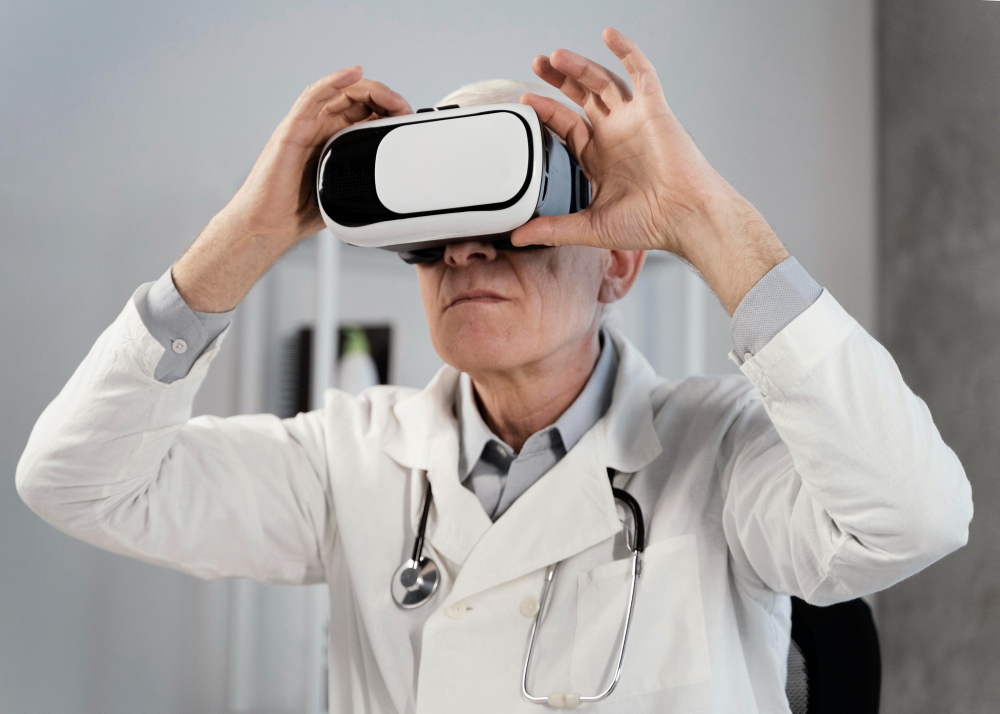
In response to these developments, H2 Global Group has sent a strategic proposal to EU leaders, advocating for a combined therapy of molecular hydrogen and virtual reality (VR) cognitive rehabilitation. This approach, already in use in over 40 European hospitals, is supported by a patent titled “Prophylactic or Therapeutic Agent for Dementia” and involves addressing oxidative stress and neuroinflammation. The company has initiated a clinical study approved by SÚKL and the Ethics Committee of University Hospital Ostrava to further explore this innovative treatment option.
David Maršálek, CEO of H2 Global Group, sees a significant opportunity for the Czech Republic to lead a new wave of Alzheimer’s treatment strategies that could benefit millions across Europe. By leveraging Japanese-Czech technology and existing scientific evidence, Maršálek envisions a large-scale clinical study that could offer a safer and more accessible solution to Alzheimer’s treatment. He advocates for immediate action to bridge innovation with collaboration across Europe, emphasizing the potential for a groundbreaking shift in addressing the dementia epidemic.