

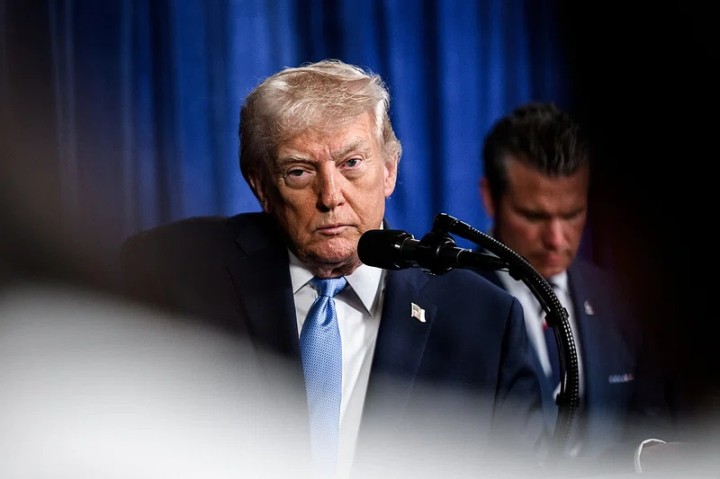
US President Donald Trump has voiced strong criticism of Israeli airstrikes targeting Beirut’s southern suburbs, cautioning that such actions could jeopardize crucial diplomatic efforts aimed at achieving a comprehensive peace agreement in the Middle East. In a public statement, Trump urged all involved parties to show restraint and called for an immediate cessation of military operations in Lebanon. He emphasized that Israel should refrain from further attacks within Lebanon, and likewise, Hezbollah and other groups should halt strikes against Israel.
The timing of the Israeli strikes in Beirut is particularly troubling, according to Trump, as they occur during a pivotal phase of negotiations related to a significant regional peace framework. He expressed optimism that progress in diplomacy could lead to enhanced stability and a long-lasting reduction in regional tensions. Meanwhile, Israel justified its military actions by citing an earlier incident where Hezbollah allegedly fired projectiles into Israeli territory. Israeli officials reported that their response targeted a Hezbollah command facility in the southern suburbs of Beirut, asserting it was a defensive measure to protect their nation and citizens.
Israel has made it clear that it will not tolerate any attacks on its territory and holds Hezbollah accountable for initiating the recent hostilities. In retaliation, areas associated with Hezbollah in southern Beirut were subjected to Israeli strikes. This escalation has sparked concerns that renewed violence in Lebanon could hinder ongoing diplomatic initiatives involving major regional players. International observers are worried that continued tensions might disrupt attempts to ease hostilities and secure broader security arrangements in the Middle East.
Despite the recent setbacks, diplomatic efforts are still underway, with several nations actively promoting dialogue and urging all parties to exercise restraint. Analysts emphasize that maintaining calm across all fronts is crucial for preserving the momentum towards regional stability and preventing a larger conflict. These developments underscore the precarious nature of the current situation, where military actions continue to influence high-level diplomatic negotiations across the region.