

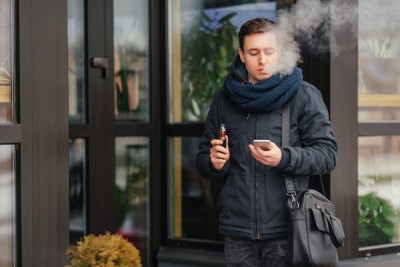
While vaping is frequently marketed as a less harmful alternative to smoking, health experts caution that e-cigarettes containing nicotine can still pose significant risks to the body, including adverse effects on the skin. New findings indicate that vaping may disrupt the skin’s natural healing abilities and potentially lead to inflammation and acne.
Medical professionals highlight that nicotine constricts the body’s small blood vessels, thereby limiting the supply of oxygen and essential nutrients to the skin. This reduced blood flow can impede the healing of acne lesions, minor wounds, and other skin irritations. Consequently, when circulation is compromised, the skin’s ability to regenerate and repair itself is diminished.
Beyond the impact on circulation, vaping introduces chemicals into the body that may heighten oxidative stress and inflammation. These conditions can contribute to a dull complexion and, for some individuals, exacerbate acne or make it more challenging to manage existing breakouts. Despite these concerns, experts emphasize that vaping should not be singled out as the sole cause of skin issues, as hormones, dietary habits, genetics, and skincare routines also significantly influence skin health.
However, those who maintain a regular skincare regimen but still struggle with persistent inflammation, prolonged healing, or frequent breakouts might want to consider the role of nicotine use in their skin problems. Understanding that healthy skin is supported not just by topical products but also by internal factors such as proper circulation and inflammation control is crucial for overall skin maintenance.