

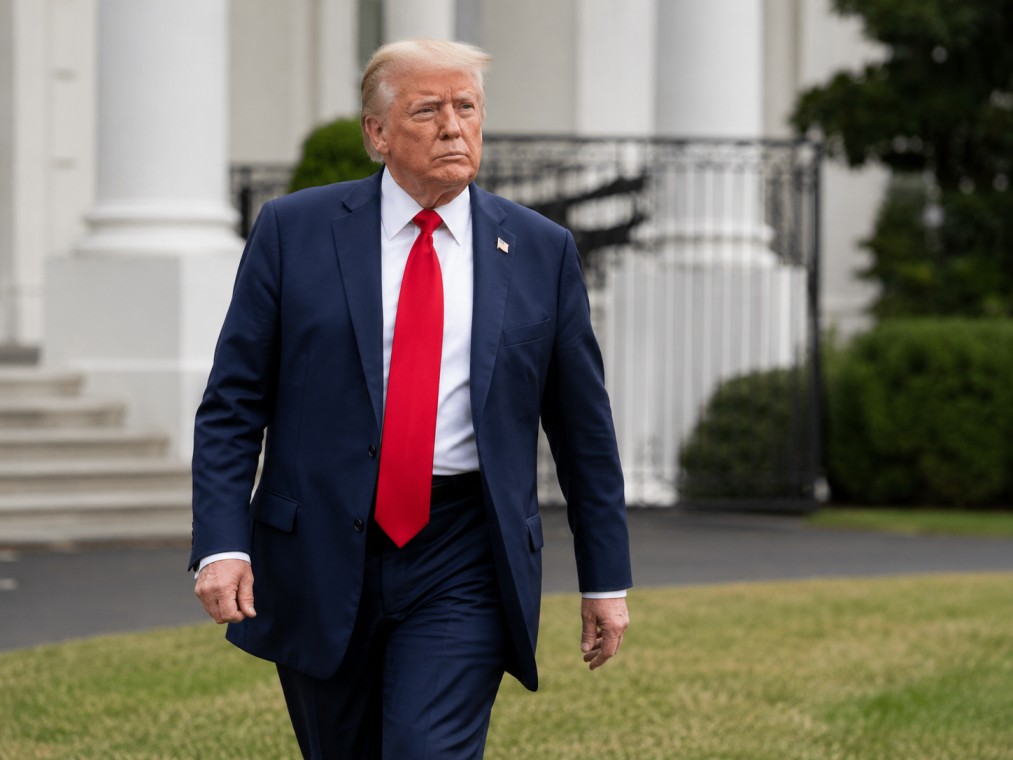
Tensions between the United States and Iran have sharply escalated following President Donald Trump’s declaration that the ceasefire agreement with Tehran is “over.” Speaking during the NATO Summit, Trump dismissed further negotiations with Iran as unproductive and suggested that the U.S. was ready to pursue more military actions. This development marks a significant shift in the relationship between the two nations, with potential repercussions for regional stability.
The President’s announcement followed a series of U.S. military strikes on Iranian targets. These strikes were aimed at various strategic installations including air defense systems, command-and-control networks, coastal radar sites, and anti-ship missile capabilities. Additionally, dozens of Islamic Revolutionary Guard Corps (IRGC) boats in proximity to the Strait of Hormuz were targeted. The U.S. military justified these actions as a response to attacks on three commercial ships navigating this crucial waterway.
In retaliation, Iran launched counterattacks on U.S. military bases located in Bahrain, Kuwait, and other Gulf regions. This back-and-forth has heightened fears that a broader regional conflict might ensue. The Strait of Hormuz, a key channel for global energy transportation, is now a focal point of concern, with security in the area increasingly precarious.
The latest military exchanges have severely compromised the ceasefire framework that had been in place, casting doubt on any remaining diplomatic efforts to ease hostilities. As both nations dig in, the risk of further military engagements looms, threatening not only regional peace but also the stability of international energy markets reliant on safe passage through the Strait of Hormuz.