

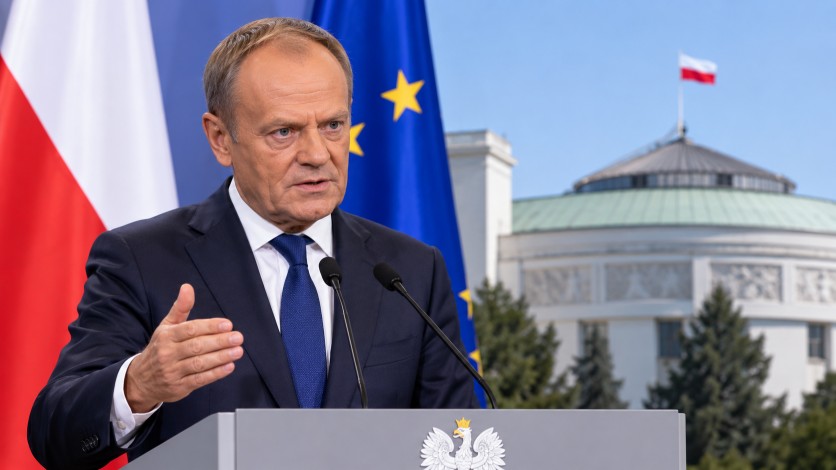
In a bid to override President Karol Nawrocki’s repeated vetoes, Polish Prime Minister Donald Tusk is pushing for another parliamentary vote on legislation aimed at regulating the country’s crypto-assets market. Tusk has called on Sejm Speaker Włodzimierz Czarzasty to bring the contentious issue back to the lawmakers for consideration. President Nawrocki has vetoed the proposed legislation three times, citing persistent flaws and arguing that it fails to address the concerns raised by his office throughout the drafting process.
President Nawrocki has consistently criticized the government for prioritizing cryptocurrency regulation instead of addressing the legislative gaps. He has expressed willingness to sign the bill into law if the identified shortcomings are effectively resolved. The ongoing clash between Tusk and Nawrocki underscores a deepening discord over how to handle the regulation of digital currencies within Poland.
The issue has escalated further as Tusk has connected the crypto legislation stalemate to accusations involving figures linked to the former ruling Law and Justice (PiS) party. Tusk alleged the existence of an organized network involving financial transactions between cryptocurrency businesses, PiS-affiliated media, and high-ranking politicians. His comments suggest a broader concern about the integrity of financial dealings linked to political entities.
Highlighting the situation’s gravity, Tusk referenced the cryptocurrency exchange Zondacrypto, indicating rising concerns over its operations. While emphasizing that the government will not meddle in police or prosecutorial probes, Tusk insists that lawmakers should reconsider Nawrocki’s veto. This move is poised to heighten tensions between the executive and legislative branches as they grapple with the proposed crypto-assets regulations.
As the push for another vote unfolds, the standoff between the government and President Nawrocki remains unresolved, with the president standing firm on his demand for legislative corrections. The outcome of this renewed effort could have significant implications for Poland’s approach to cryptocurrency regulation and the balance of power between its political institutions.