

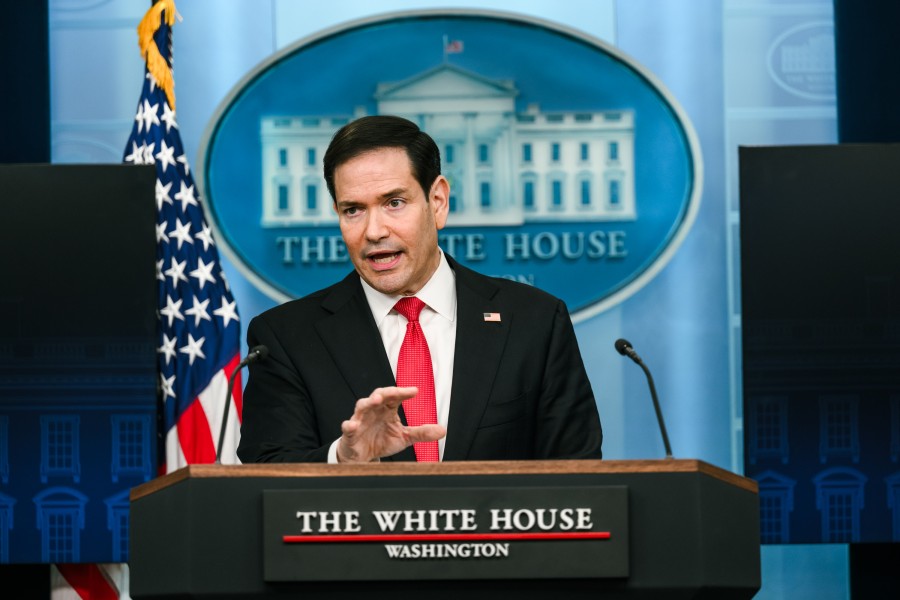
During a visit to the Gulf region, US Secretary of State Marco Rubio emphasized to Gulf allies that the Strait of Hormuz will remain accessible for international shipping, ensuring that no country, including Iran, will impose tolls or fees on this critical maritime passage. Rubio’s visit included meetings with officials from the United Arab Emirates, Kuwait, and Bahrain, focusing on reinforcing alliances after a recent ceasefire agreement between the United States and Iran.
Rubio highlighted that freedom of navigation in the Strait of Hormuz is safeguarded by international law, addressing the concerns of Gulf nations wary of Iran’s potential increased influence following the unfreezing of its funds. The ceasefire agreement, currently in place, permits a 60-day period of unrestricted passage through the strait. Future negotiations are anticipated to discuss long-term management of maritime activities in the region, involving Iran and neighboring countries.
These discussions occur amid ongoing regional tensions, particularly regarding nuclear monitoring, sanctions relief, and broader security frameworks. Gulf countries are looking for assurances that financial relief to Iran will not be redirected to enhance its military strength. Notably, Iran has refused to include its ballistic missile program in any upcoming negotiations, maintaining that it is vital for the country’s national defense.
Rubio reassured that the United States is steadfast in its commitment to protect its allies and maintain stability in the Gulf region. His assurances come as Gulf nations express their concerns over Iran’s potential to leverage its financial gains to extend its influence, highlighting the intricate balance of diplomacy required to maintain peace and security in the area.