

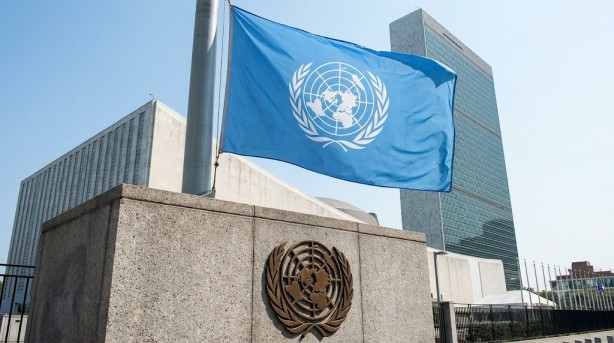
The rapid growth of artificial intelligence poses a risk of increasing global inequality, according to a new report by an independent scientific panel from the United Nations. The report warns that if technology access, infrastructure, and expertise continue to be concentrated in a limited number of countries and companies, disparities could widen. This concentration could lead to challenges for nations relying on foreign AI models and data infrastructure, hindering their ability to set standards, enforce safety measures, and tailor solutions to local needs.
While AI presents opportunities to advance sectors such as healthcare, education, and agriculture, the report highlights significant risks, including the potential for fraud, misinformation, and threats to democratic systems. The UN panel emphasizes that merely granting access to AI tools does not ensure equitable benefits. Countries are urged to invest in developing local AI infrastructure, enhancing digital skills, fostering AI education, conducting safety research, and establishing robust systems for monitoring AI performance post-deployment.
The report underscores that AI development is largely dominated by major economies like the United States and China, which possess advanced AI models and extensive computing infrastructure. This dominance raises concerns about limiting participation from developing nations. Language barriers and unequal internet access further exacerbate these challenges, as many AI systems perform optimally in widely spoken languages, leaving billions disconnected from the internet and unable to fully benefit from AI advancements.
To mitigate these issues, the UN advocates for international cooperation and responsible AI development. Ensuring that AI technology supports inclusive growth is crucial to preventing the exacerbation of existing global disparities. By addressing the concentration of AI resources and expertise, and by facilitating participation from a broader range of countries, the potential negative impacts of AI can be minimized, thereby fostering a more equitable global landscape.