

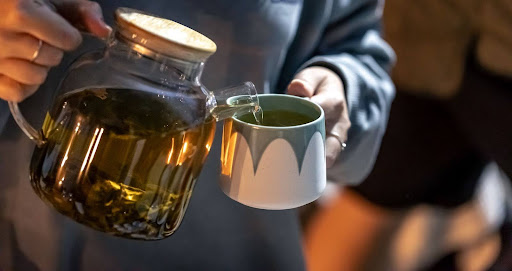
PCOS is more than just a reproductive issue; it is a metabolic and hormonal challenge that affects millions of women. The symptoms, ranging from severe cramps to chronic inflammation, can be exhausting. However, relief might be closer than you think, sitting right in your kitchen cabinet. Nutritionists are highlighting the power of traditional ingredients brewed into teas to help manage these symptoms.
The approach focuses on using food as medicine. While medication plays a vital role, lifestyle changes and dietary additions can enhance well-being. Herbal teas offer a hydration boost coupled with active compounds that target the root causes of discomfort associated with hormonal imbalances.
Spearmint tea is often cited as a game-changer for women dealing with androgen excess. High testosterone levels are common in PCOS, leading to unwanted hair growth and acne. Regular consumption of spearmint tea has been shown to assist in lowering these levels, thereby acting as a natural regulator for your hormones and reducing associated physical symptoms.
To tackle the silent fire of inflammation within the body, experts recommend Kalonji tea. Also known as black seed, Kalonji is a powerhouse of anti-inflammatory benefits. Since PCOS is an inflammatory condition, introducing Kalonji into your diet can help cool down the system, potentially reducing insulin resistance and other metabolic stressors.
Lastly, the humble Ajwain seed is a savior for menstrual pain. Ajwain tea is effective in relaxing the uterus and soothing muscle spasms. This makes it an excellent remedy for the severe cramping often associated with PMS. Together, these three beverages provide a comprehensive, natural toolkit for navigating life with PCOS.