

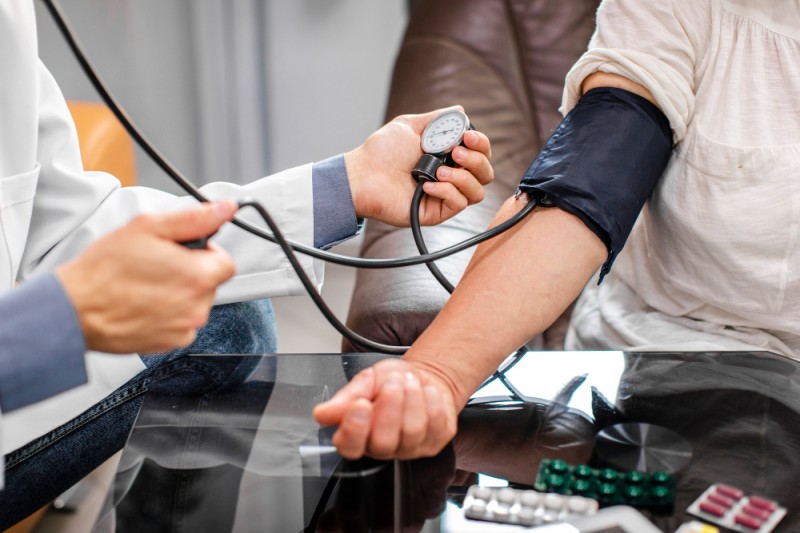
As temperatures soar during heatwaves, individuals with high blood pressure should exercise additional caution. The increased heat places extra burdens on the body as it strives to maintain normal temperature and blood flow. In an effort to cool down, the body expands blood vessels and ramps up sweating, which can pose challenges for those with hypertension, potentially leading to symptoms such as dizziness, weakness, or general discomfort.
High temperatures can exacerbate the effects of hypertension by causing the body to lose fluids and essential electrolytes through excessive sweating. This fluid loss can affect blood volume and result in fluctuations in blood pressure levels. Everyday activities like walking, shopping, or gardening can become more strenuous under these conditions, particularly for those managing high blood pressure.
Ensuring proper hydration is crucial during periods of extreme heat. Key strategies include drinking sufficient water throughout the day, starting the morning well-hydrated, and consuming foods with high water content like watermelon, cucumber, and oranges. Minimizing the intake of caffeine and alcohol is also advisable as they can contribute to dehydration.
To lessen the strain on the cardiovascular system, it is recommended to plan outdoor activities during the cooler parts of the day, such as early morning or evening hours. Reducing exposure to intense sunlight not only lowers stress on the heart but also aids the body’s ability to cope with the heat. Recognizing warning signs is vital; individuals with hypertension should be alert to symptoms like persistent headaches, rapid or irregular heartbeat, extreme fatigue, confusion, or unusual weakness, and seek medical advice if these occur.
Simple lifestyle modifications can significantly impact one’s well-being during heatwaves. Wearing loose, comfortable clothing, staying hydrated, regularly monitoring blood pressure, and adhering to prescribed medications are essential practices. While heatwaves present significant challenges, adopting these precautions and maintaining awareness can help individuals with hypertension minimize risks and remain safer amid extreme temperatures.