

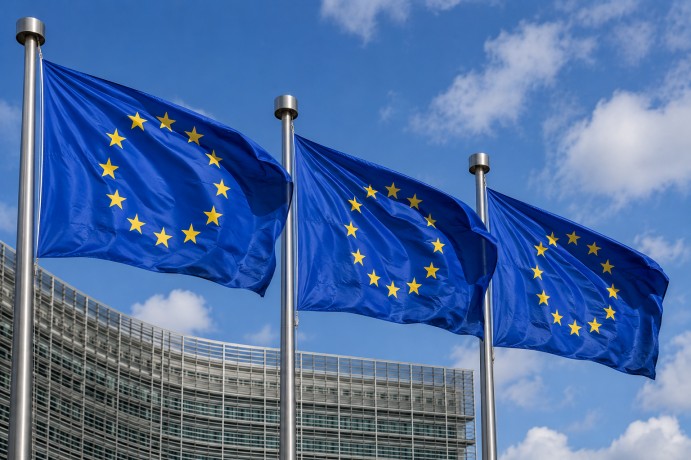
The Council of the European Union has taken a significant step by agreeing on its stance regarding the EU’s draft budget for 2027, which marks the last annual budget under the bloc’s 2021-2027 long-term financial framework. This agreement sets the stage for financial planning that balances prudence with the need to fund key EU initiatives.
In the proposed budget, the Council has allocated €191.88 billion in commitments and €202.07 billion in payments. These figures exclude allocations made through special instruments that operate outside the framework of the EU’s long-term budget. The Council’s approach underscores a careful financial strategy while ensuring that essential EU policies and programs receive adequate support.
The budget aims to bolster the EU’s capacity to address ongoing geopolitical challenges, such as the conflicts in Ukraine and the Middle East, alongside managing migration pressures. Irish Deputy Prime Minister and Finance Minister Simon Harris emphasized that the budget would provide the necessary financial resources to navigate these complex geopolitical landscapes.
Additionally, the Council highlighted the need for sufficient financial flexibility to handle unforeseen events and maintain timely funding for existing commitments. This flexibility is crucial for the EU to adapt to unpredictable developments and ensure that its financial obligations are met without delay.
The Council is poised to formally adopt its position in September, paving the way for negotiations with the European Parliament. The deadline for reaching a final agreement is set for November 16, 2026, marking a critical timeline for concluding the EU’s long-term financial planning efforts.